Yumna Display Font Review: Elevating Creative Projects with Unique Typography
I was deep into a branding project for a small artisanal bakery when I opened my brand board and stared at the blank space where the name would go. The client wanted something memorable—something that felt both luxurious and approachable. I needed a font that could bridge the gap between elegance and warmth, and that’s when I discovered Yumna, a display font that immediately caught my eye.
Yumna as a Standout Logo Font for Brand Identity
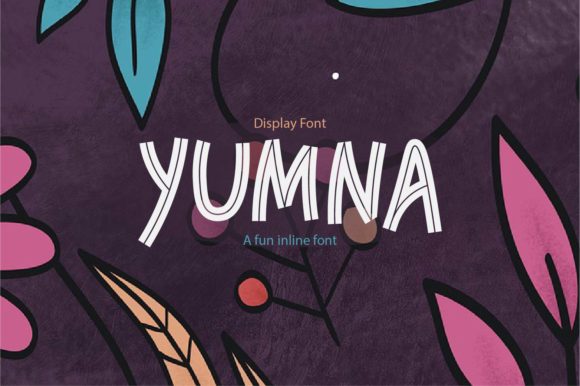
Yumna is not your average logo font. As a display typeface, it’s designed to shine in larger sizes and high-impact visuals. Its unique character set gives it an artistic flair without being overly ornate. When I tested it on the bakery's logo draft, the result was stunning—the curves and flourishes of Yumna added a touch of sophistication while maintaining a friendly tone. It helped establish a brand identity that stood out from the usual sans serif or script fonts commonly used in food branding.
The personality of Yumna leans toward the creative and expressive, making it perfect for businesses that want their visual identity to reflect artistry, passion, or individuality. However, like any display font, it works best in limited use and should never be stretched beyond its intended application. I made sure to test it at various sizes before finalizing the logo design to ensure it remained legible and impactful at different scales.
Yumna in Packaging Design and Product Labels
Next, I moved on to the packaging mockup. The bakery sells custom gift boxes and specialty pastries, so the labels and tags needed to feel special. Yumna was a natural fit for the product labels and box headers. It brought a sense of exclusivity and charm that matched the handmade quality of the products inside. But I had to be careful with how much of it I used—I paired it with a clean sans serif for body text and pricing to maintain readability while still letting Yumna take center stage.
What impressed me most was how Yumna performed in print. The weight distribution and contrast are well balanced, which means even in smaller sizes on tags and stickers, it retained enough character without becoming too busy. For those working on packaging design or product labeling, Yumna can add just the right amount of visual interest without compromising clarity.
Yumna for Social Media Graphics and Web Headers
Social media is where brands often try to make a bold statement, and Yumna delivered exactly that. I used it for Instagram post headers and promotional banners, and it looked fantastic across both digital platforms and printed materials. The font has a modern yet timeless appeal that translates well into a variety of formats. On web design projects, especially for homepage hero sections or landing pages, Yumna makes a strong impression as a headline font.
Its versatility extends to editorial design as well. I tried it in a blog header for a lifestyle site and found that it worked beautifully as an accent typeface. Just one line of Yumna above a longer article title using a more neutral serif font created a nice visual hierarchy and gave the page a fresh, creative edge. If you're looking for a display font that can elevate your website headers or social content, Yumna is definitely worth testing.
Font Pairing Suggestions with Yumna
When it comes to font pairing, Yumna pairs particularly well with minimalist sans serif fonts like Montserrat or Lato. These combinations work because they allow Yumna to stand out while keeping supporting text easy to read. I also experimented with pairing it with a simple script font for signature elements, but I found that the two styles were too similar. Instead, sticking to a single Yumna variant and complementing it with a clean secondary typeface yielded better results.
- Best with: Clean sans serif (for contrast)
- Avoid mixing with: Other decorative or script fonts
- Perfect for: Accents, headlines, short phrases
Is Yumna Suitable for Long Text or Formal Corporate Use?
While Yumna is undeniably beautiful, it’s important to recognize its limitations. As a display font, it wasn’t built for long paragraphs or dense body text. I attempted to use it in a brochure layout once, and it quickly became hard to read. Stick to using it for logos, headlines, titles, and short taglines. It’s not the kind of font you’ll want to stretch across entire brochures or reports.
Also, if your client is in a formal or corporate industry—like finance, law, or healthcare—Yumna may not be the right choice. Its playful and artistic nature doesn’t align with the more conservative aesthetic these sectors often require. That said, for creative studios, boutique brands, lifestyle businesses, and other expressive industries, Yumna fits like a glove.
Practical Tips for Using Yumna in Real Projects
If you're considering Yumna for your next project, here are a few tips based on my experience:
- Test it first: Open a new document and place Yumna in different contexts—logo drafts, business card samples, social posts. See how it behaves at various sizes and weights.
- Use sparingly: Because it’s a display font, avoid overusing it. Let it shine in key areas and keep the rest of your typography grounded.
- Check licensing: Always verify the commercial font license before using Yumna in client work, merchandise, or templates. Licensing rules vary depending on usage scope, so don't skip this step.
One thing I appreciated was the attention to detail in the alternates and ligatures included in the font package. They allowed for subtle variations in the logo and packaging mockups, giving the brand a more personalized look. If you're working on a luxury brand or anything requiring a handcrafted feel, these extras can really help push the design further.
Why You Should Consider Yumna for Your Next Brand Project
In the end, Yumna didn’t just meet expectations—it exceeded them. It transformed a simple logo concept into a compelling brand asset and added personality to otherwise plain packaging designs. What sets Yumna apart is its ability to feel both premium and accessible. It’s the kind of font that doesn’t shout, but it definitely gets noticed.
For designers who need a display font that adds a unique voice to their work, Yumna is a standout option. Whether you're creating a brand identity for a boutique shop, designing a website header for a creative studio, or crafting elegant social media layouts, Yumna brings a level of artistry that elevates the overall design. It’s not just about looks—it’s about how the font contributes to brand perception and audience engagement.
Before committing to it in a client project, I recommend downloading it and running through a quick mock-up test. Try it on a business card, a website header, and a social media graphic to see how it performs in real-life scenarios. Once you’ve seen it in action, it might just become a true favorite, as it did for me.